STANDARD INDUSTRIAL STEAM SYSTEM DIAGRAM: CONFIGURATION, OPERATING PRINCIPLE AND OPTIMIZATION SOLUTIONS FROM VALVELINK
A standard industrial steam system comprises a water treatment and supply system, a boiler, a steam distribution network, heat-consuming equipment, and a condensate recovery system. Depending on the plant scale and process characteristics, the system may also incorporate flash steam recovery equipment, blowdown heat recovery, and automatic control solutions.
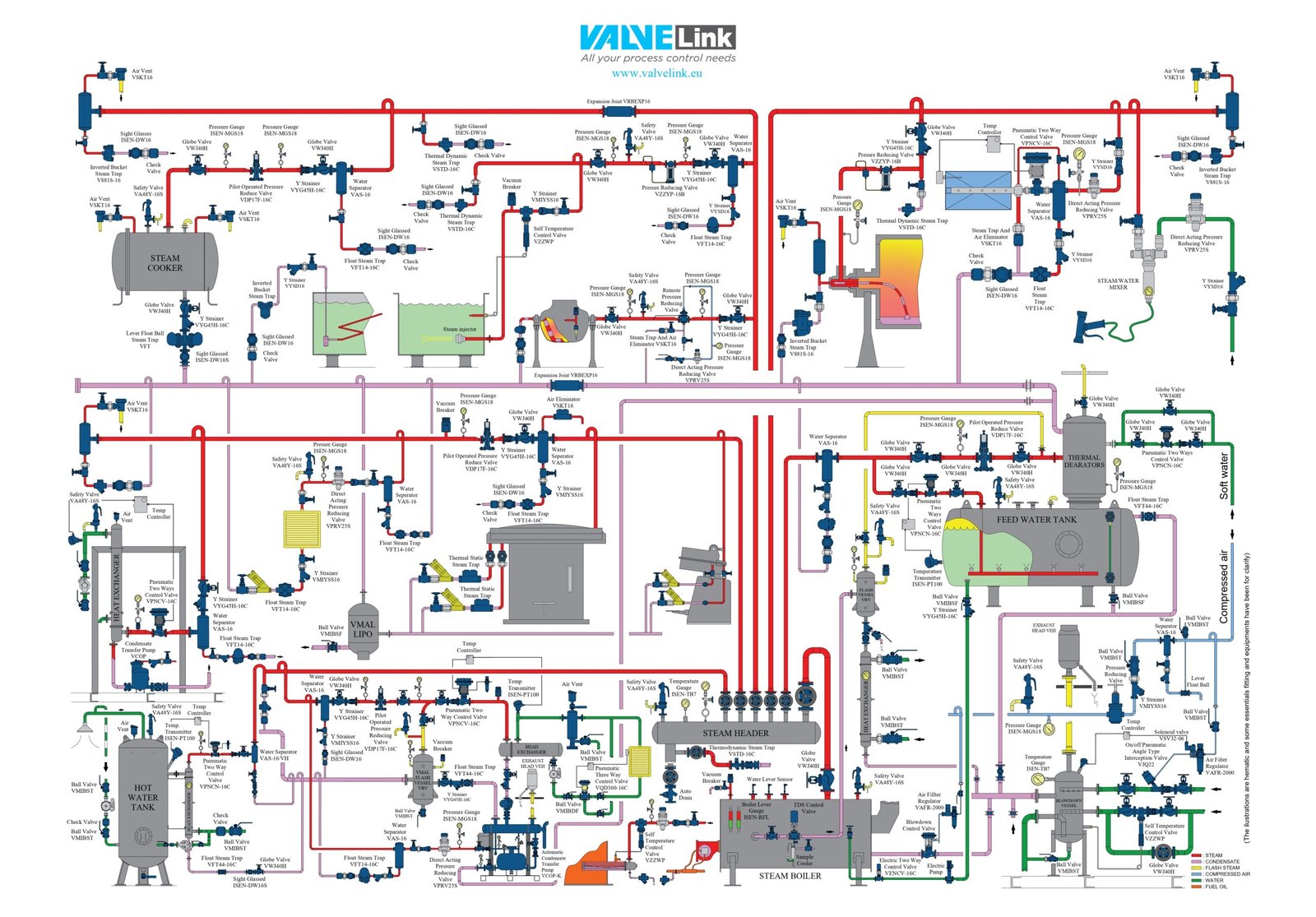
Configuration and Operating Principle of a Standard Steam System
The operating principle of an industrial steam system is based on a circulation cycle comprising steam generation, distribution, control, utilization, and condensate recovery. Water is heated in the boiler to produce steam at the appropriate pressure and temperature, then distributed through a piping network to production equipment. During this process, industrial valves, control valves, and instrumentation perform the function of controlling operating parameters, helping to ensure a stable and safe steam supply.
After transferring heat to the equipment using the steam, the steam condenses into water and is recovered through the steam trap system, piping, and condensate pumps. This condensate can be returned to the boiler feedwater system for reuse, thereby reducing heat loss, saving energy, and improving the operating efficiency of the entire system.
1.1. Steam Generation Stage – Feedwater Treatment System and Boiler
Feedwater must be treated to meet the boiler water quality requirements and minimize scale formation, corrosion, and other issues that affect the heat transfer process. Depending on the source water quality and system configuration, treatment stages may include filtration, softening, demineralization, and chemical conditioning. A thermal deaerator is used to reduce the content of oxygen and other dissolved gases that cause corrosion. This process usually combines feedwater heating and gas venting, in accordance with the equipment design.
After treatment, water is pumped into the boiler and converted into steam using energy from fuels such as gas, oil, or biomass. Operating parameters such as pressure, water level, water quality, and the blowdown regime must be controlled in accordance with the boiler’s technical requirements.
The protection and monitoring system typically includes safety valves, pressure measuring instruments, water level controllers, and necessary interlock mechanisms. Selection, installation, and inspection must comply with the safety requirements applicable to pressure equipment.
Parameters to be controlled: feedwater quality, combustion efficiency, feedwater temperature, blowdown regime, and the operating condition of protective devices.
1.2. Steam Distribution Stage – Steam Distribution and Control System
After being generated in the boiler, steam is conveyed through a steam header and the piping network to areas where heat is required. The distribution system must meet the requirements for flow rate, pressure, steam quality, and load stability.
The equipment commonly installed on the distribution network includes:
- Shut-off valves: Isolate equipment or individual sections of piping for maintenance and repair.
- Pressure reducing valves: Adjust the downstream steam pressure to meet the requirements of the equipment using the steam.
- Moisture separators: Remove liquid water droplets carried along with the steam flow, improving the quality of the supplied steam.
- Steam traps: Automatically discharge condensate and non-condensable gases under suitable operating conditions, while limiting the loss of live steam.
- Air vents: Help remove air and non-condensable gases at required locations.
- Thermal expansion joints: Absorb displacement caused by thermal expansion and contraction of the piping, as designed.
Steam piping must be designed with appropriate consideration of pipe diameter, slope, steam take-off locations, and condensate drainage points. At locations where condensate may accumulate, suitable collection and drainage points must be provided to minimize water hammer and maintain steam-carrying capacity.
For steam supply branches, taking steam from the top of the main pipe is generally preferred to reduce the risk of condensate being carried into the equipment. However, actual effectiveness also depends on the piping configuration, steam quality, and operating conditions.
1.3. Steam Utilization Stage – Steam-Using Equipment and Heat Transfer Process Control
Steam is used in various types of industrial equipment, each with different requirements for temperature, pressure, and flow rate.
Shell-and-tube heat exchangers
Steam transfers heat through the heat-transfer surface to heat water or other suitable fluids. The steam control valve may receive signals from a temperature sensor and a PID controller to maintain the outlet temperature at the setpoint.
The steam trap must be selected to suit the condensate load, pressure, and differential pressure to prevent condensate from backing up in the equipment and reducing heat transfer efficiency.
Dryer cylinders in the paper industry and industrial drying applications
Steam transfers heat through the cylinder wall to dry the material. The condensate formed inside must be discharged continuously or by a mechanism appropriate to the design, through a siphon pipe system and steam trap. The ability to discharge condensate directly affects heat transfer efficiency and the stability of the drying process.
Autoclaves and heating tanks
These types of equipment use steam for direct or indirect heating, depending on process requirements. Their configuration may include a temperature control valve, steam trap, vacuum breaker, and suitable pressure protection devices.
A vacuum breaker is used in applications where negative pressure may develop, helping to prevent equipment deformation when operating conditions permit. The selection of protective equipment must be based on the design pressure and operating scheme of each system.
Steam-water mixers
This equipment directly mixes steam with water to produce hot water for industrial cleaning or suitable processes. Pressure, flow rate, outlet temperature, and safety conditions must be controlled to ensure stable operation.
1.4. Condensate Recovery Stage – Condensate and Flash Steam Recovery System
After transferring heat, steam condenses into condensate. This water generally still contains a significant amount of heat and can be recovered to reduce the need for fresh feedwater, treatment chemicals, and heating fuel.
Condensate recovery
Condensate is conveyed to a recovery tank or feedwater tank through a suitable piping network. When the pressure at the discharge point is insufficient to return the condensate to the receiving point, a recovery pump or a dedicated mechanical pump may be required.
The design must take into account condensate temperature, pressure and flow rate, piping pressure losses, and the risk of pump cavitation. Proper recovery helps reduce the amount of make-up water required and utilize the residual heat in the condensate.
Flash steam recovery
When hot condensate at high pressure is depressurized, a portion of the water may vaporize into flash steam. This steam can be recovered to supply lower-pressure loads or serve suitable heating requirements.
Recovery potential depends on the pressure and flow rate of the condensate, the demand for steam at a lower pressure level, and the degree of matching between the generation source and the receiving load.
Heat recovery from boiler blowdown
Boiler blowdown water has a high temperature and may carry a significant amount of energy. Depending on water quality, pressure, and system configuration, businesses may consider heat recovery solutions before discharge. This process must meet discharge temperature, safety, and wastewater treatment requirements.
2. VALVELINK’s Representative Product Range for Steam Systems
A steam system is not merely a process of generating and using steam; it is also a thermal energy management cycle. System efficiency depends on the coordination of steam generation, distribution, control, utilization, and condensate recovery equipment. Therefore, in addition to understanding the configuration and operating principle of a steam system, selecting suitable equipment is also an important factor in system design, installation, and upgrading. VALVELINK supplies a wide range of industrial equipment, including valves, steam traps, measuring and control instruments, and thermal insulation, to meet requirements at various locations throughout a plant.
2.1. Representative Brands
- VMAL – Steam system equipment: steam traps, pressure reducing valves, control valves, piping equipment, special-purpose equipment, heat exchangers, boiler-mounted equipment, moisture separators, condensate recovery equipment, etc.
- ISEN – Industrial Instrumentation: Pressure and temperature measuring instruments and instruments for monitoring operating parameters in steam systems.
- IFLO – Flow Measurement: Flow measurement solutions for suitable applications in industrial steam systems.
- EcoClad – Thermal insulation jackets: Provides thermal insulation solutions for standard equipment or custom-made jackets for special equipment, suitable for temperatures up to 500°C (or higher upon request).
2.2. Main Equipment Groups
Industrial Valves and Piping Equipment
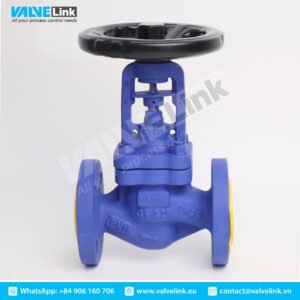
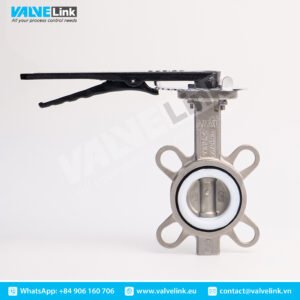
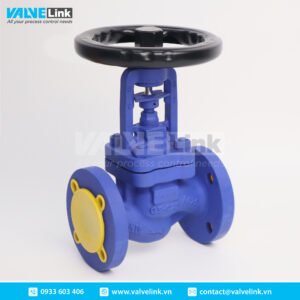
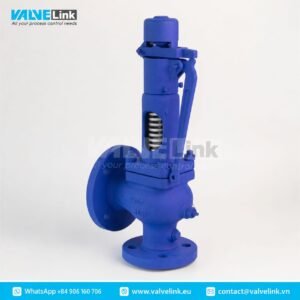
This group includes globe valves, gate valves, ball valves, butterfly valves, check valves, pressure reducing valves, safety valves, control valves, solenoid valves, blowdown valves, vacuum breakers, air vents, Y-strainers, and piping accessories. Equipment is selected according to the pressure, temperature, medium, and operating requirements of each application.
Steam Traps and Condensate Handling Equipment
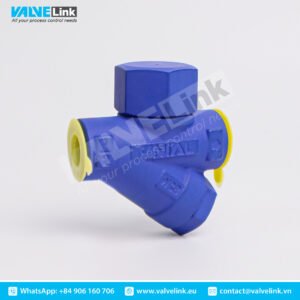
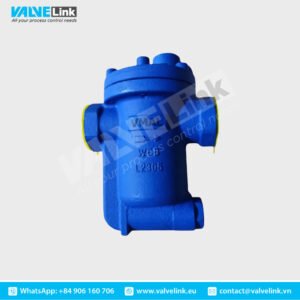
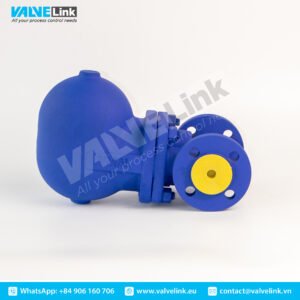
The range includes float-type steam traps, thermostatic steam traps, thermodynamic steam traps, moisture separators, and condensate recovery pump equipment. These equipment groups are commonly considered when designing, maintaining, or improving steam systems.
Measuring and Control Instruments
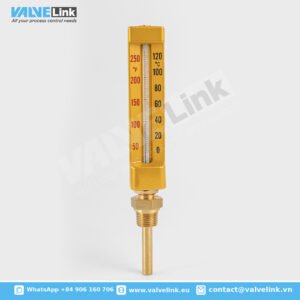
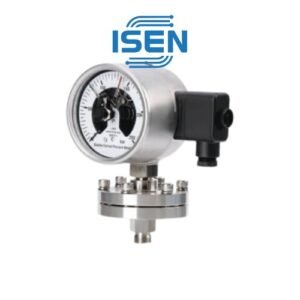
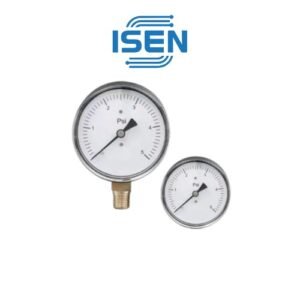
This group includes pressure gauges, temperature gauges, pressure sensors, temperature sensors, level sensors, steam and liquid flowmeters, temperature controllers, and other equipment used for operational monitoring.
Heat Exchange Equipment and Energy Recovery Solutions
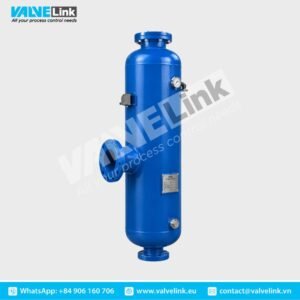
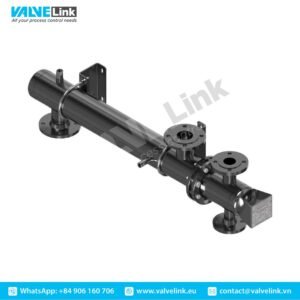
This group includes heat exchangers, steam pressure-reducing stations, flash steam recovery units, and equipment for condensate recovery and heat recovery from boiler blowdown, depending on the application configuration.
Thermal Insulation Solutions
Insulation jackets are designed to match the shape and operating conditions of each piece of equipment, helping to minimize heat loss while allowing convenient removal and reinstallation for inspection and maintenance.


The above range provides a reference for businesses to identify equipment groups suited to their actual needs. The selection of specific products must be based on technical specifications, operating conditions, and the requirements of each system.
VALVELINK – Comprehensive Equipment and Solutions for Industrial Steam Systems
VALVELINK provides a comprehensive range of equipment and solutions for industrial steam systems, covering steam generation, distribution, utilization, and condensate recovery. With products selected and coordinated according to technical requirements and actual operating conditions, VALVELINK supports businesses in building stable-operating steam systems, improving energy utilization efficiency, and controlling operating costs.
Equipment Supply for the Entire Steam System
VALVELINK supplies a wide range of equipment for the various stages of a steam system, including industrial valves, steam traps, moisture separators, measuring and monitoring instruments, piping accessories, EcoClad insulation solutions, and condensate recovery equipment. The product range meets requirements ranging from the installation of new systems to the upgrading, replacement, and improvement of existing systems.
Integrated Solutions Based on Operating Requirements
VALVELINK supports the selection and combination of equipment suitable for each application, operating parameters, and the plant’s technical requirements. Coordinating equipment throughout the system helps control steam quality, maintain appropriate operating conditions, minimize energy losses, and improve steam utilization efficiency.
Optimizing Efficiency and Operating Costs
Through solutions for monitoring steam traps, reducing leakage, minimizing heat loss, optimizing blowdown, and recovering condensate, VALVELINK helps businesses make more effective use of their existing energy resources. Improvement measures are identified based on actual conditions and priorities, with the aim of achieving an appropriate return on investment.
Frequently Asked Questions About Industrial Steam Systems
- What equipment does an industrial steam system include? A system typically includes a boiler, distribution piping, control valves, steam traps, steam-using equipment, and a condensate recovery system.
- Why should steam traps be inspected periodically? Inefficiently operating steam traps can cause steam loss, condensate accumulation, and reduced heat transfer efficiency in equipment.
- How do you select a suitable steam trap? The selection of the correct type of steam trap must be based on the type of steam-using equipment, operating pressure, condensate load, and air-venting requirements.
- What are the benefits of condensate recovery? Condensate still contains heat and can be reused as boiler feedwater, helping reduce fuel and water consumption as well as treatment costs.
- When should flash steam be recovered? When depressurized condensate generates flash steam and the plant has a heat demand at a lower pressure level, recovery can help utilize energy efficiently.
- What causes water hammer in steam piping? Water hammer commonly occurs when condensate accumulates in the piping and is carried along by the steam flow, causing impact, noise, and a risk of equipment damage.
- Where should businesses start when optimizing a steam system? They should inspect the condition of steam traps, check for leakage, review pipe insulation and operating pressure, and assess condensate recovery capability to identify points of energy loss.
- How does VALVELINK support businesses in optimizing steam systems? VALVELINK will survey and assess the existing system, then advise on equipment selection, solution design, and technical training, and work alongside businesses to reduce energy losses, improve efficiency, and move towards sustainable development.